
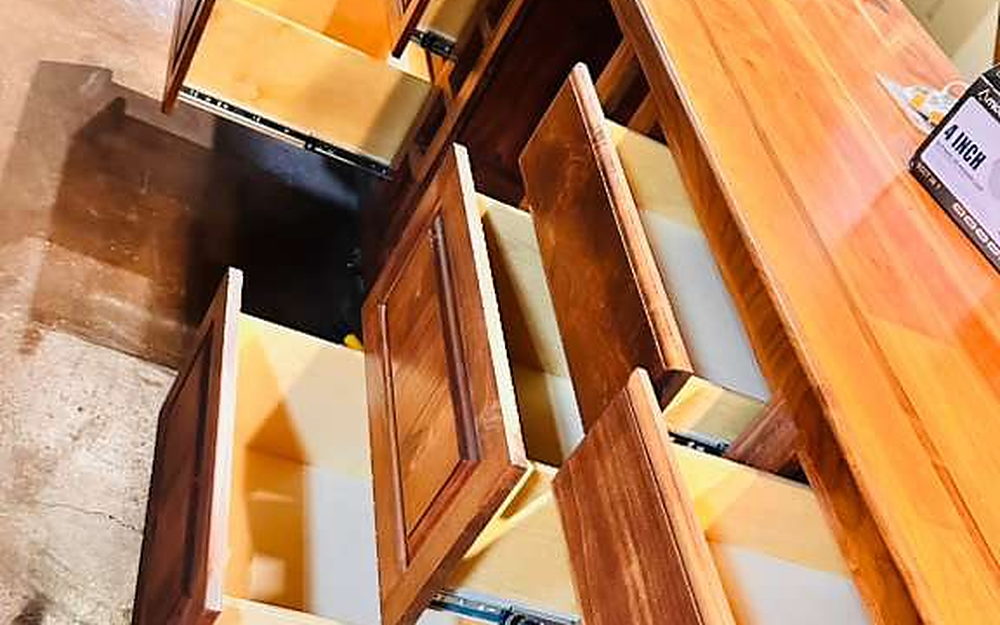
Security deposit disputes almost never start with a disagreement about whether an apartment was clean. They start with a property manager opening something. An oven door. A cabinet. A window track. A refrigerator drawer. Whatever is inside becomes a line item at their price.
That is the useful thing about move-out inspections: they are predictable. The same items get checked in the same order across almost every rental in Blaine, Hugo, Forest Lake and Lino Lakes, because managers work from a form. Knowing the form is most of the job.
Inspections follow a list, not an impression
A walkthrough takes ten to fifteen minutes and follows a route: kitchen first, then bathrooms, then bedrooms and closets, then floors, then windows and fixtures. The inspector is not forming a general impression of tidiness. They are confirming or denying specific items.
This is why a home can look genuinely clean and still lose four hundred dollars. Nobody deducts for a room that feels dusty; they deduct for grease inside a cabinet, hair in a drain and crumbs in a refrigerator drawer. Cleaning to how it looks from the doorway is cleaning to the wrong standard.
The kitchen decides most of it
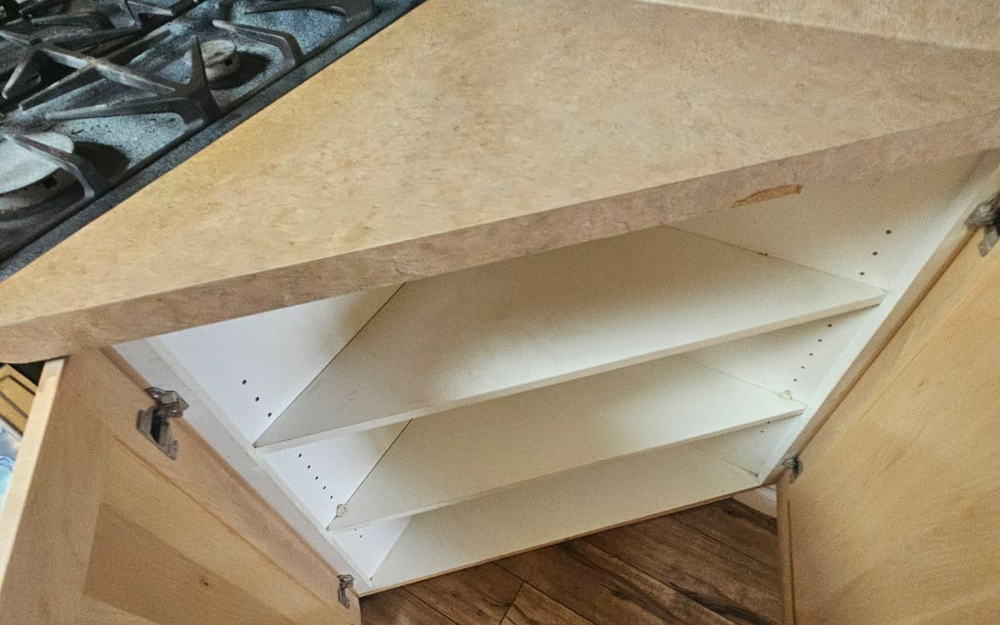
More deduction dollars come out of kitchens than anywhere else, because a kitchen has the most interiors and the most grease. The inspector opens things in a reliable sequence.
- The oven, including the racks and the inside of the door glass.
- The refrigerator and freezer: shelves, drawers, gaskets and the drip area underneath.
- Every cabinet and drawer interior, plus the top edge of cabinet doors.
- Under and behind the range and refrigerator, where those can be moved.
- The hood and its filter, which almost nobody cleans before leaving.
- The sink, disposal collar, faucet base and the seam where the counter meets the backsplash.
Two of those are worth special attention. Hood filters are usually dishwasher-safe and go from unacceptable to fine with one cycle. Oven door glass is what an inspector sees first and it is cleaned from the inside, which most people never think to do.
Bathrooms are checked for build-up, not tidiness
A bathroom can be spotless on every visible surface and still fail. What gets checked is accumulation: grout color, film on shower glass, the base of the toilet and the wall behind it, hair in drains, the exhaust fan cover, and the underside of the toilet seat hinges.
Grout deserves an honest note. If it has darkened over years of use, brushing improves it but may not restore it, because the discoloration can be permanent. A landlord cannot reasonably deduct for grout that was already stained when you moved in — which is exactly why move-in photos are worth taking on your first day in any rental.
The vanity interior and under-sink area are checked in most inspections and cleaned in almost no DIY move-outs. Both are five-minute tasks on an empty bathroom.
The five places people forget
Across the move-out cleans we run, the same five items show up untouched when tenants have already tried themselves. All five are trivial in an empty home.
- Window tracks and sills, in every room, including the sliding door channel.
- Closet shelves, rods and the floor at the back of the closet.
- Baseboards, wiped by hand rather than dusted, in rooms that were behind furniture.
- Light fixtures, globes and ceiling fan blade tops.
- Vents, cold-air returns and register covers, which collect visible dust.
Add switch plates, outlet covers and door frames and you have covered nearly every item on the second half of a standard inspection form.
Cleaning versus damage — know the difference
This distinction protects you, and it is worth being precise about. Cleaning is your responsibility. Ordinary wear is not. Damage is, but only if it exceeds ordinary wear.
- Cleaning: grease, dust, soap scum, hair, food residue, marks that wipe off.
- Ordinary wear: minor scuffs, small nail holes, faded paint, carpet traffic patterns, worn finish in high-use areas.
- Damage: burns, large holes, broken fixtures, pet staining through to the pad, cracked tile.
A landlord who applies a cleaning deduction for faded paint or a worn traffic lane is charging you for ordinary wear. Knowing which category an item falls into is what lets you push back calmly with a specific argument instead of a general objection.
Why a receipt changes the conversation
The practical value of hiring a move-out clean is not only the result. It is the itemized invoice. It converts a subjective argument about whether the place was clean into a documented scope of work performed on a specific date.
In most cases a professional move-out clean costs less than the cleaning deduction a manager would apply, because their number is set to cover a vendor plus their own administrative time. You are usually choosing between paying your price with a receipt or paying their price without one.
Pair the receipt with dated photos of every room taken after the clean. Together they make a cleaning deduction very difficult to sustain, and they take about five minutes to produce.
Timing it around a closing
The cleaning should happen after the last item leaves the property and before the walkthrough — a window that frequently collapses to a single afternoon. Book it a week out if you can, and expect to adjust, because closings move constantly.
The end of the month is the busiest window in every town we serve, since leases and closings cluster there. The last three days of a month fill first, so if your handover lands in that range, treat the booking as urgent even when the date still feels far away.
One more sequencing note for the arrival side: if you are moving in, clean before the truck arrives. Empty cabinets take twenty minutes; the same cabinets with your dishes in them take an afternoon and generally never get done at all.