
Inside everything, not just surfaces
Cabinet and drawer interiors, closet shelving, appliance cavities and window tracks are standard on an empty home.
An empty home lets us clean the places furniture normally hides — inside every cabinet, behind every appliance, every closet shelf, every window track — on the date your closing or lease actually requires.
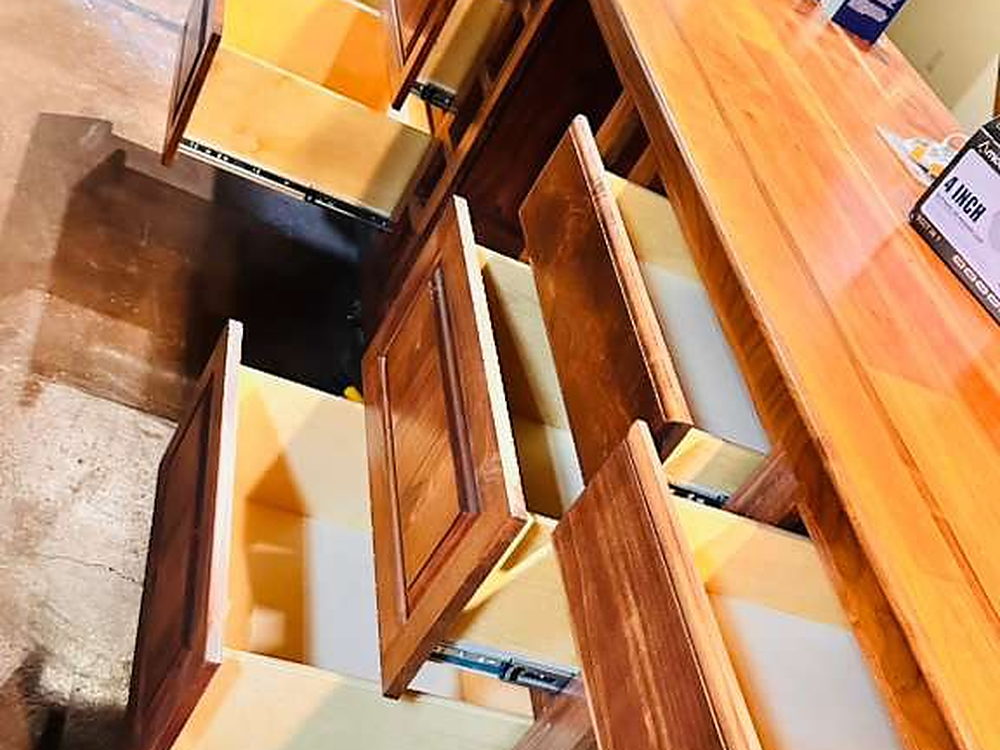
An empty house is the only chance to clean it completely, and the standard is different from anything we do in a lived-in home. There is no furniture to work around, which means every cabinet interior, closet shelf, appliance cavity and window track is reachable — and because it is reachable, it is expected. Landlords and buyers inspect exactly the places that furniture used to hide.
Move-out work is measured against an inspection list rather than a feeling. Inside and outside every cabinet and drawer. Inside the oven, the refrigerator and the freezer, including gaskets and drawer runners. Behind and beneath the fridge, stove and laundry pair where they can be safely moved. Closet shelves and rods. Baseboards on every wall. Window glass with tracks and sills. Light fixtures, switch plates, vents and returns. Marks on walls and doors spot-cleaned where the paint allows.
Move-in work has a different purpose: making a space yours before your belongings land in it. The previous occupant's residue is the target — sticky shelf liner adhesive, hair in bathroom drains, fingerprints on switch plates, grease film on cabinet interiors, dust in vents that will circulate the moment the furnace runs. Doing it before the truck arrives takes a fraction of the time it takes afterward.
Timing tends to be the hardest part, not the cleaning. Closings move. Movers run late. Keys arrive hours after they were promised. We hold your slot as long as we can and treat date changes as normal rather than as a problem, because in Blaine, Hugo and Forest Lake closings shift constantly and a rigid schedule just moves the stress onto you.
For anyone leaving a rental, the arithmetic is straightforward: a professional move-out clean commonly costs less than the cleaning deduction a landlord applies, and it comes with a receipt. That receipt is what turns a disputed deposit into a settled one, especially when the property manager already has a preferred number in mind for cleaning.
Cabinet and drawer interiors, closet shelving, appliance cavities and window tracks are standard on an empty home.
We clean the specific items landlords and buyers check, in the order they check them.
Closings and handovers move. We hold the slot and adjust rather than charging you for the change.
An itemized invoice showing the scope, useful the moment a deduction is proposed.
Behind and under the fridge, stove and laundry pair when the connections and flooring allow it.
Listing and closing deadlines are normal for us, including next-morning starts when a date jumps.
This is the scope you approve before the first visit. Anything outside it is quoted separately.
Tell us the handover or closing date and who is inspecting. The deadline drives the schedule, not the other way around.
Empty homes are priced by square footage, bathroom count and condition. Photos of the kitchen and bathrooms sharpen the number.
We work best on a genuinely empty space. If a few boxes remain, group them in one room so nothing gets missed underneath.
Cabinet interiors, appliance cavities, closets, tracks, baseboards and fixtures, worked in the order an inspector checks them.
We finish with a walkthrough and send an itemized invoice you can hand to a landlord or agent.
Photographs from recent move in/out cleaning work — our own jobs, not stock imagery.
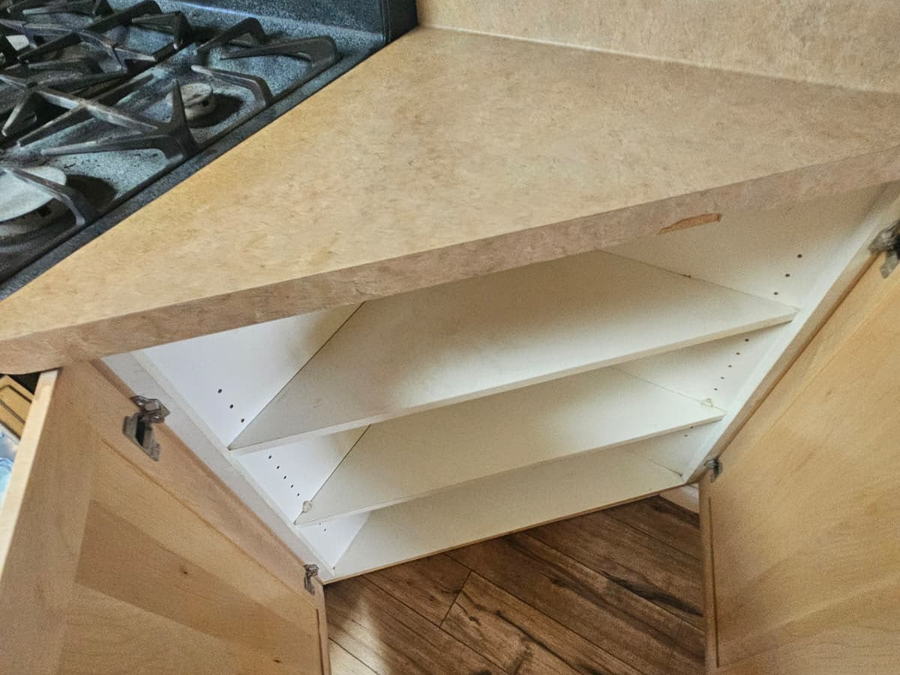
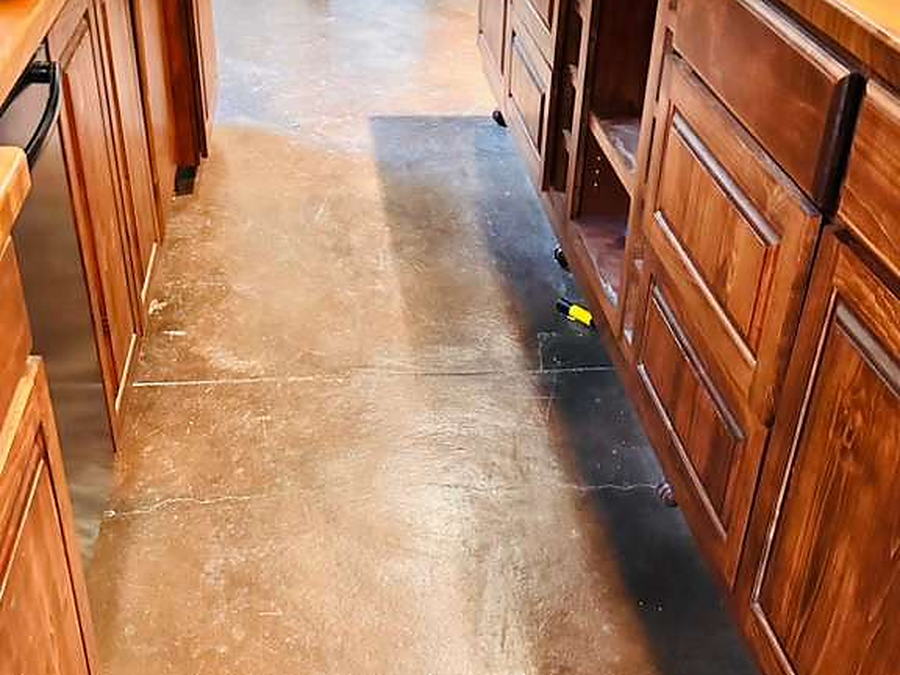
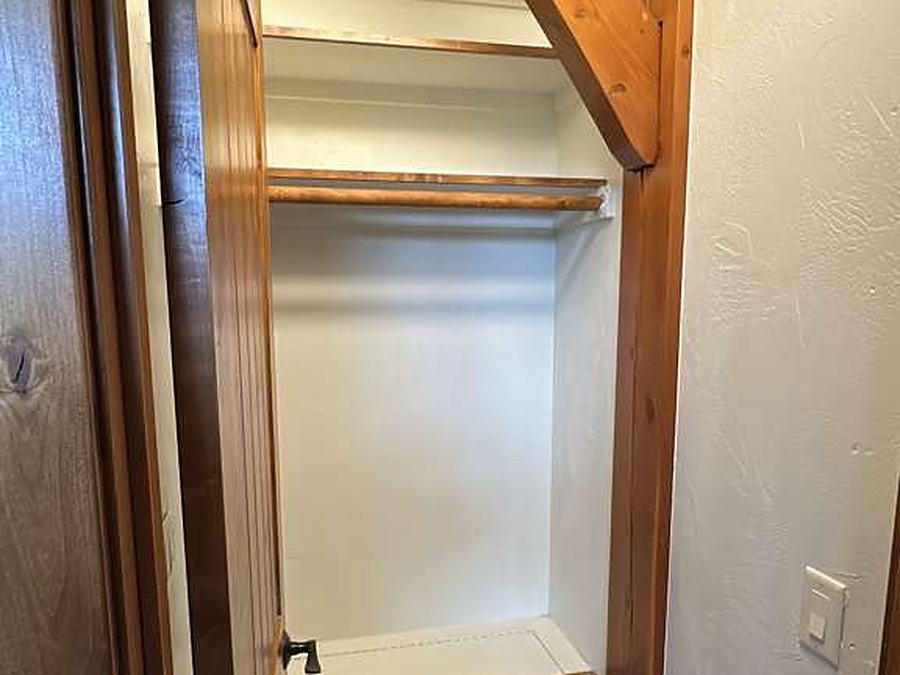
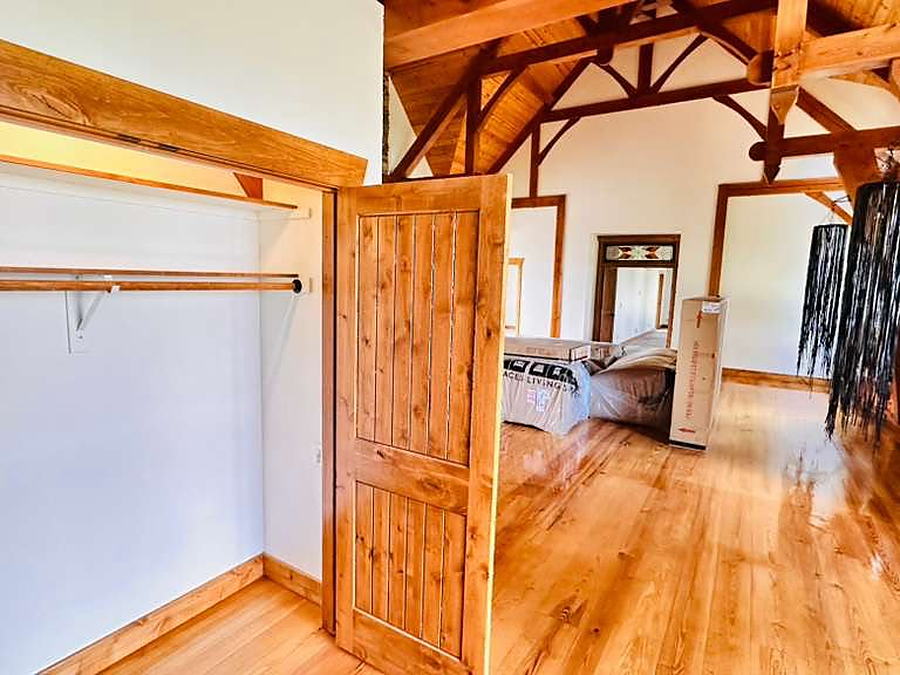
Move-out cleaning is the hardest cleaning to do yourself, and it lands in the worst possible week. You are tired, your equipment is packed, your supplies are in a box on a truck, and the utilities may already be scheduled off. It is also the one clean with money directly attached, which is a poor combination with exhaustion.
The inspection standard is what catches most people out. A landlord is not asking whether the apartment looks tidy; they are opening the oven, running a finger along the top of a cabinet door, checking the window track and looking under the fridge. Anything found becomes a line-item deduction at their price, not yours.
On the arrival side, cleaning before you move in is simply cheaper in time. Wiping empty cabinet interiors takes twenty minutes; doing it after your dishes are in them takes an afternoon and never quite happens. The same applies to closet shelves, vents and window tracks — all trivial while the house is empty, all annoying once it is not.
Ideally yes, since the whole value of this service is reaching what furniture covers. If a few items remain, put them in one room and tell us — we will clean around them and note what could not be reached.
We clean to the standard property managers inspect against and give you an itemized receipt, which resolves most cleaning deductions. We cannot affect deductions for damage, paint, carpet wear or unpaid rent.
We vacuum thoroughly, including edges. Carpet extraction is a separate specialty and many leases specifically require a professional extraction receipt, so ask your landlord which they need.
Tell us as soon as you know and we move the visit. Date changes are routine in a closing, and we would rather reschedule than have you pay for a clean that happens on the wrong day.
That is the best sequence. An empty home cleans quickly and completely, and you unpack into clean cabinets rather than cleaning around your own boxes for a week.
Unfinished garages and basements get a sweep and cobweb removal on request. Deck washing, exterior windows and pressure washing are outside what we do.
A week is comfortable. End of month is the busiest window in every town we serve, because leases and closings cluster there, so the last three days of a month go early.
Closings and lease handovers cluster at month end in all of these towns, so the last days of any month fill first.
Distances are from Wyoming, MN. If you are just outside the circle, ask anyway — when we already have a stop near you that day, we can usually fit you in.
Send the city, the size of the space and a couple of photos. We reply with a fixed number and a realistic time estimate.